2026.05 · Catalonia, Spain
Catalonia contains an extraordinary diversity of landscapes within a relatively small area, ranging from Mediterranean coastal cliffs to alpine Pyrenean habitats and humid limestone forests further inland. This environmental diversity is reflected in its flora, with Mediterranean, montane, and alpine species often occurring within only a few hours of each other.
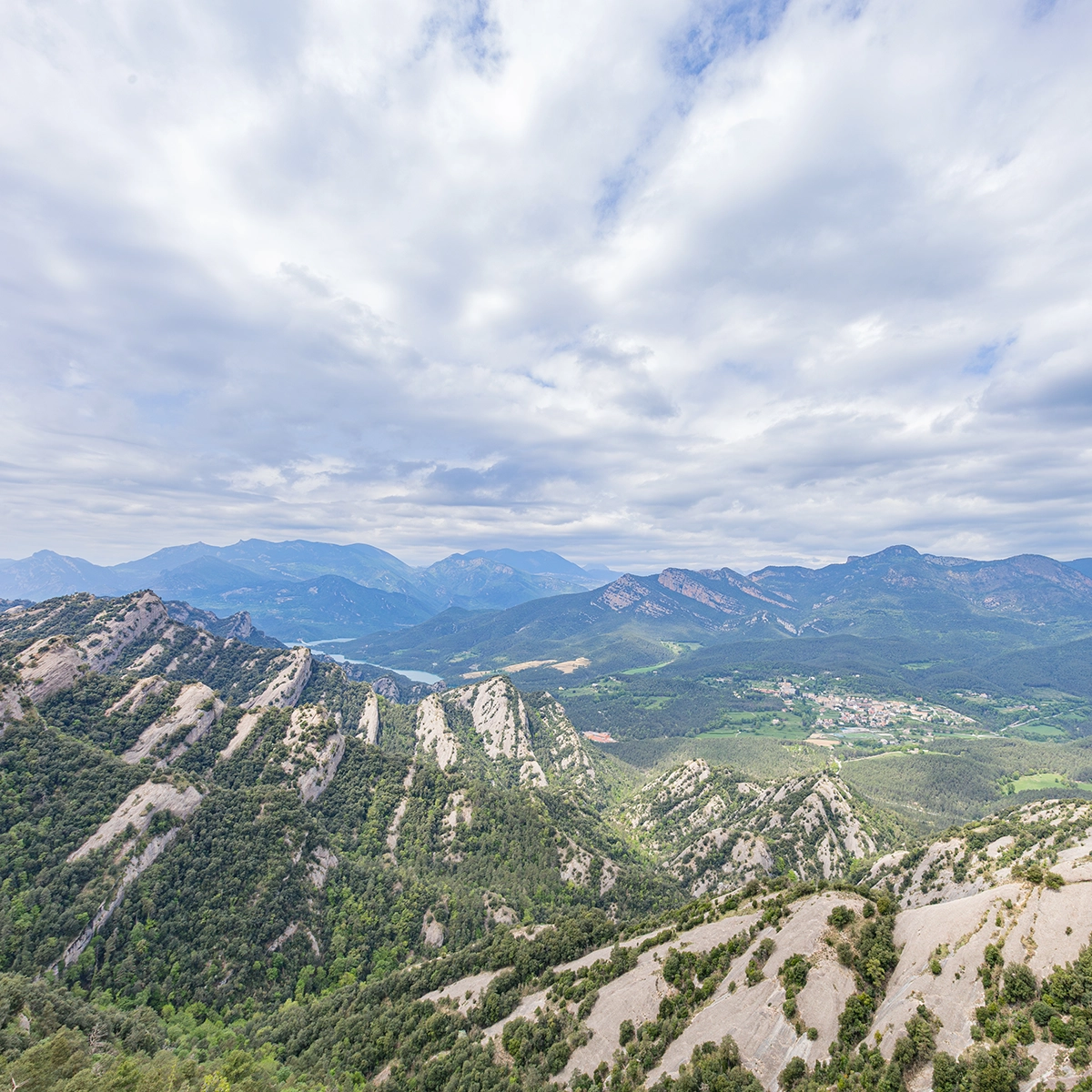
This short trip focused on three different regions: the dry coastal landscapes of Cap de Creus, the alpine environments around Setcases in the eastern Pyrenees, and the limestone forests and cliffs of the Serra de Picancel near Berga. Although geographically close, each area supported a very different flora and atmosphere.
The route offered a fascinating contrast between Mediterranean drought-adapted vegetation, snow-influenced alpine communities, and humid refugial habitats where relict species persist on shaded rock faces. Late spring proved an excellent time to visit, with many species flowering across all elevations.
Overview of the trip
1 · Cap de Creus
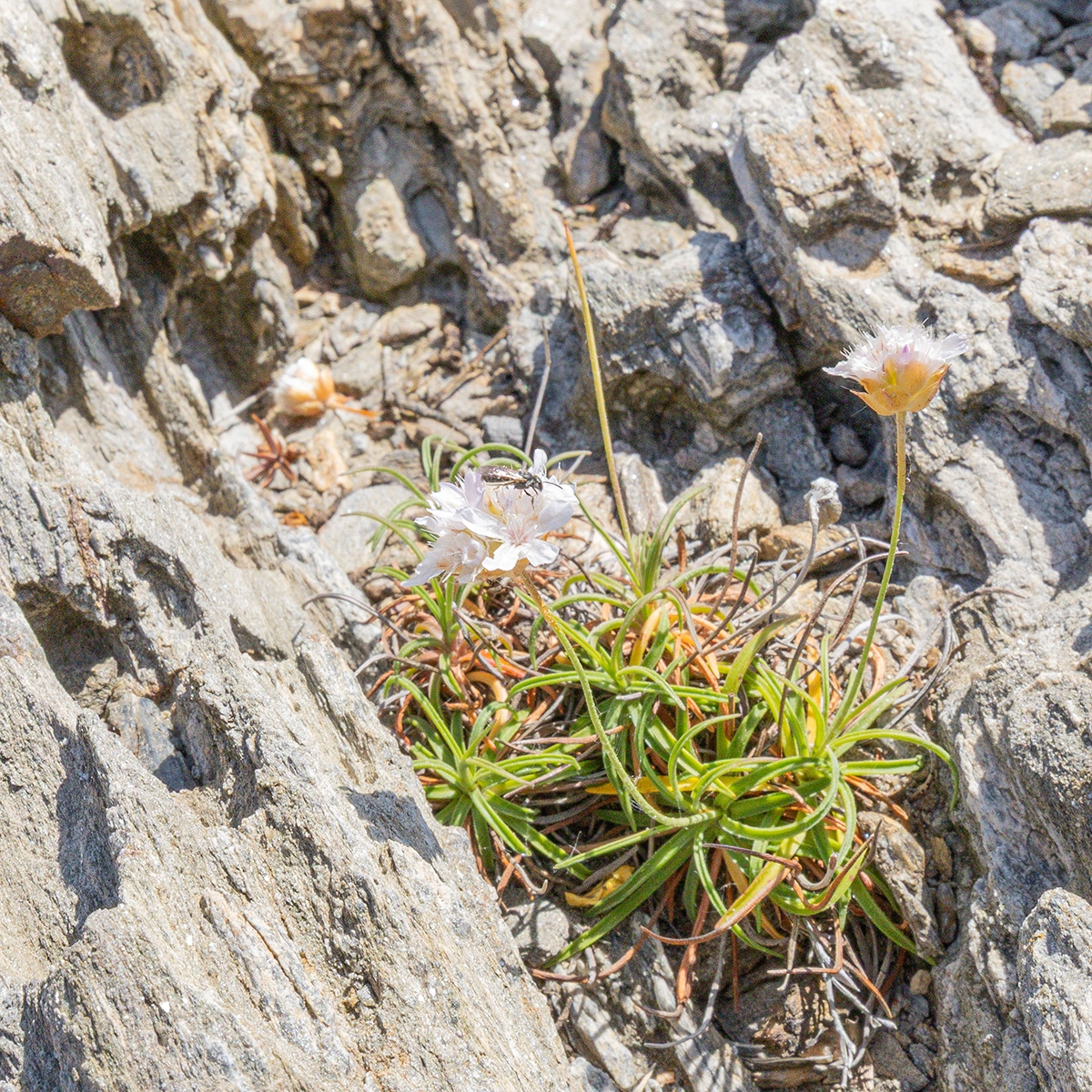
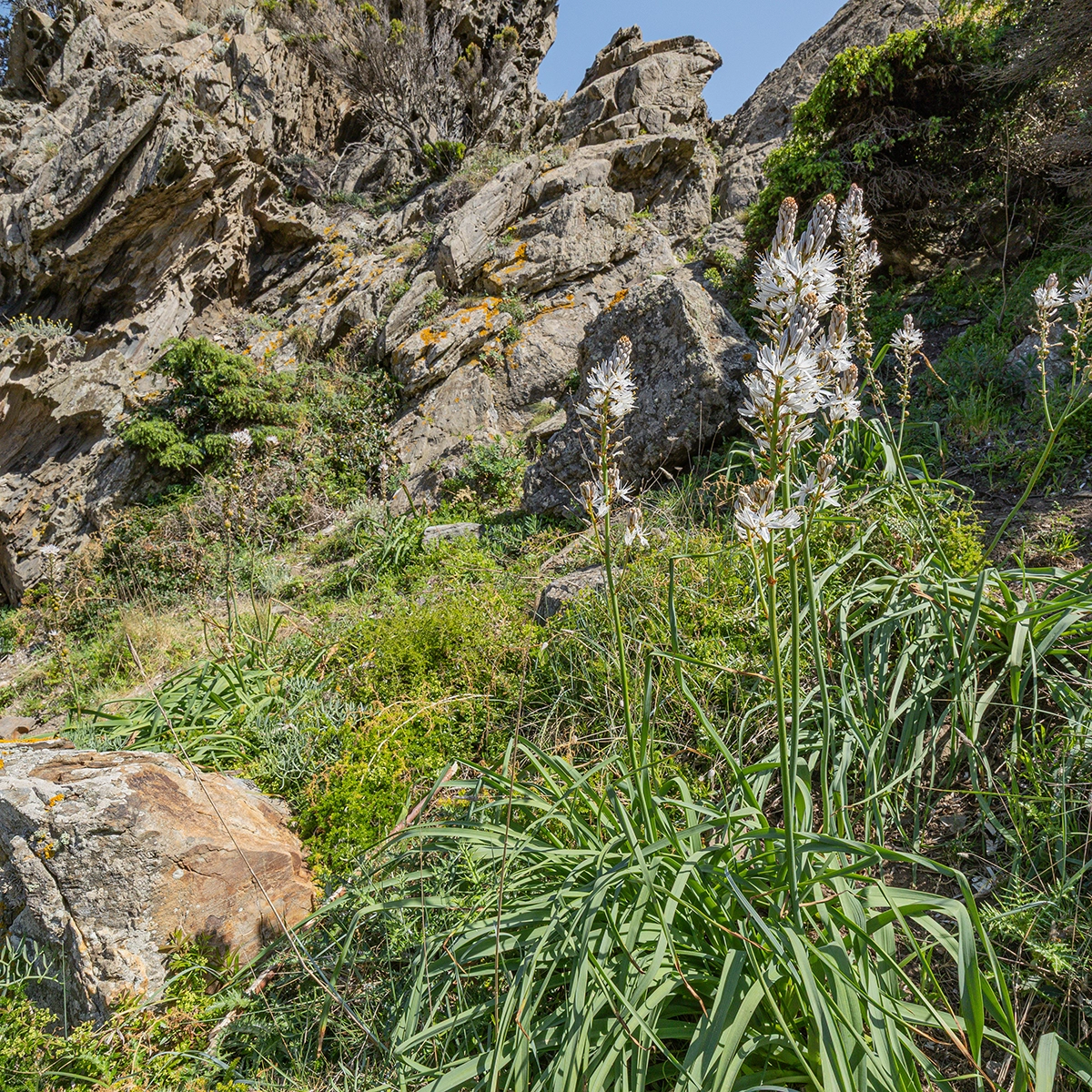
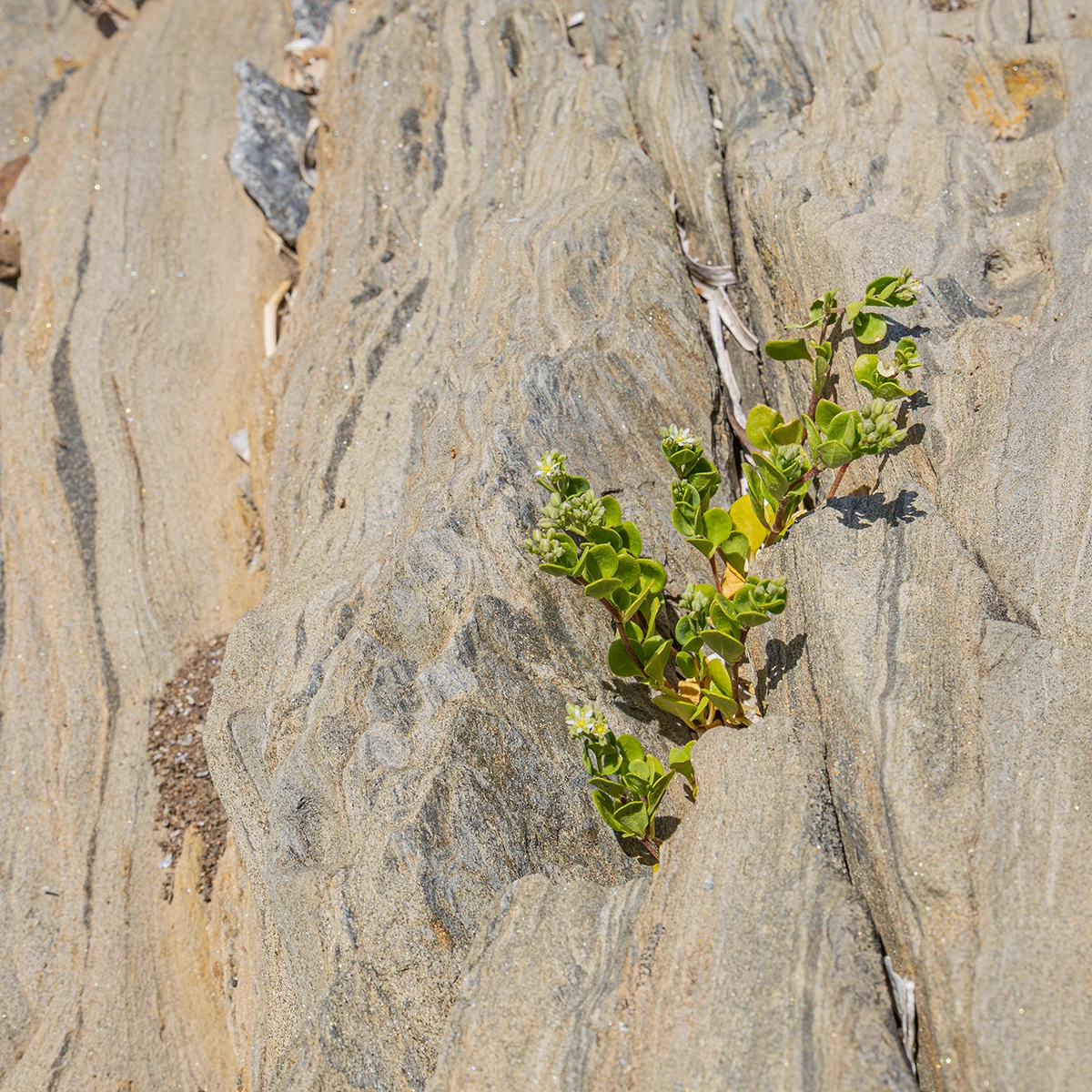
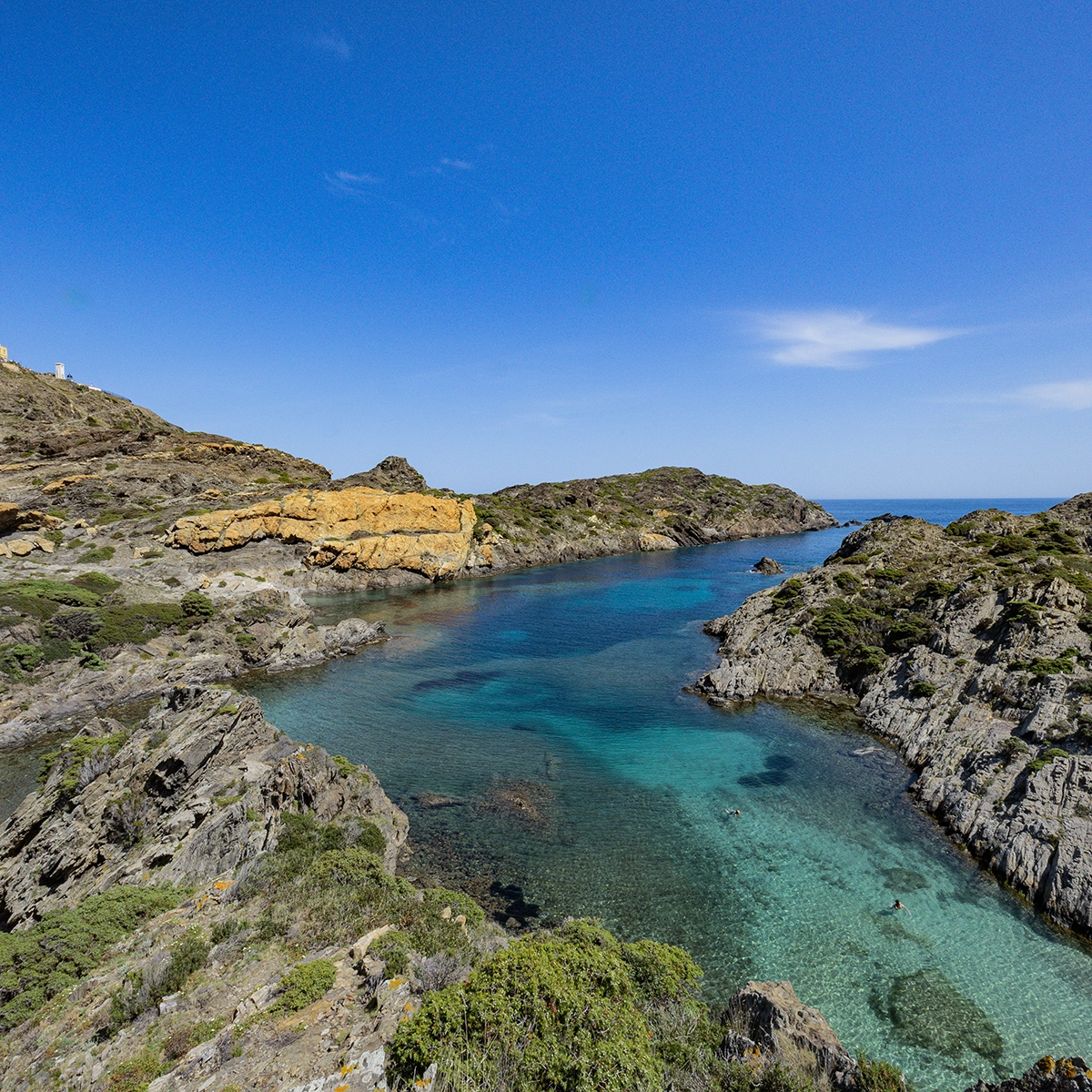
Cap de Creus is the easternmost point of the Iberian Peninsula, where the Pyrenees finally descend into the Mediterranean Sea. The landscape is rugged and windswept, shaped by strong tramuntana winds, exposed schist outcrops, and centuries of erosion. Despite the harsh conditions, the area supports a fascinating flora specially adapted to drought, salt spray, and shallow rocky soils.
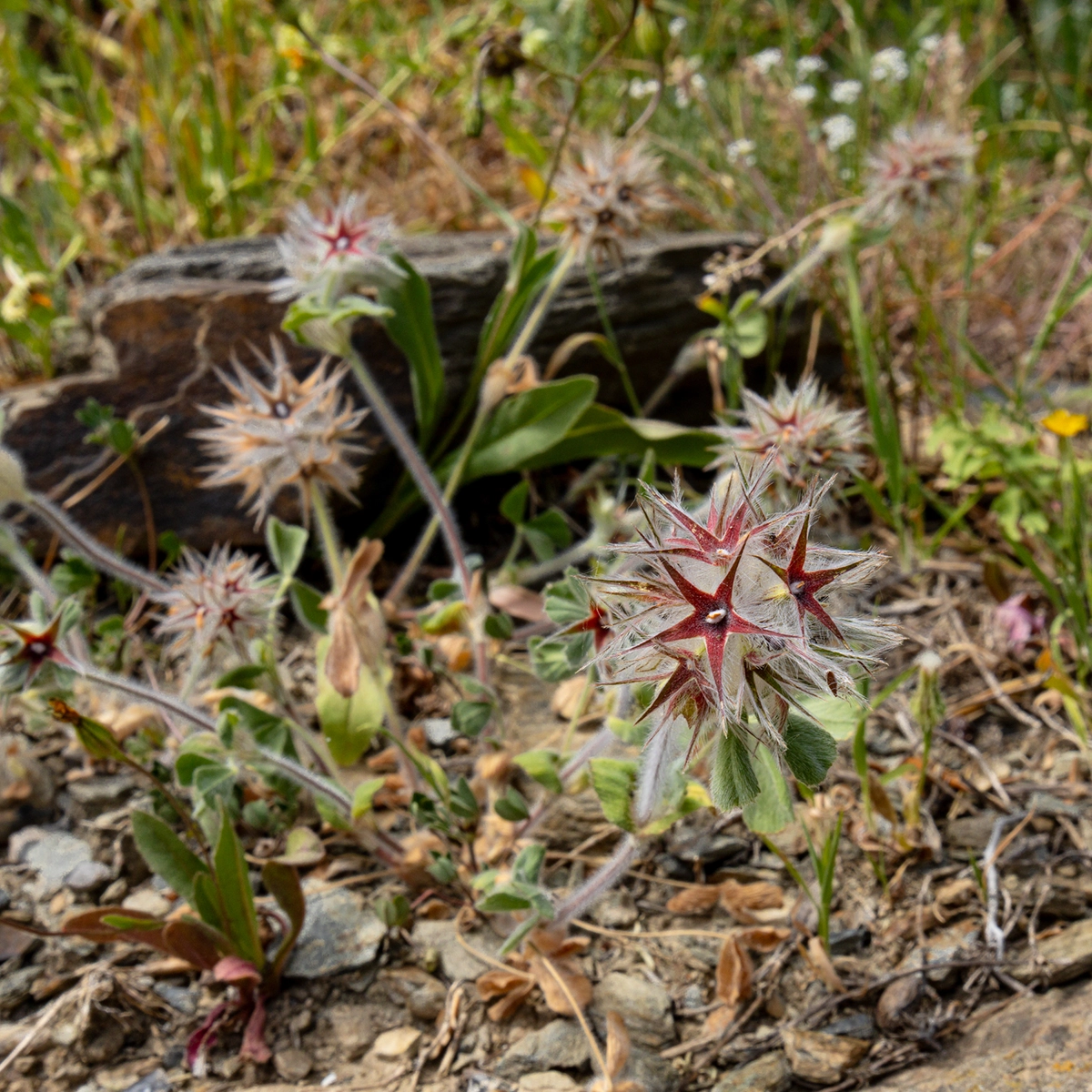
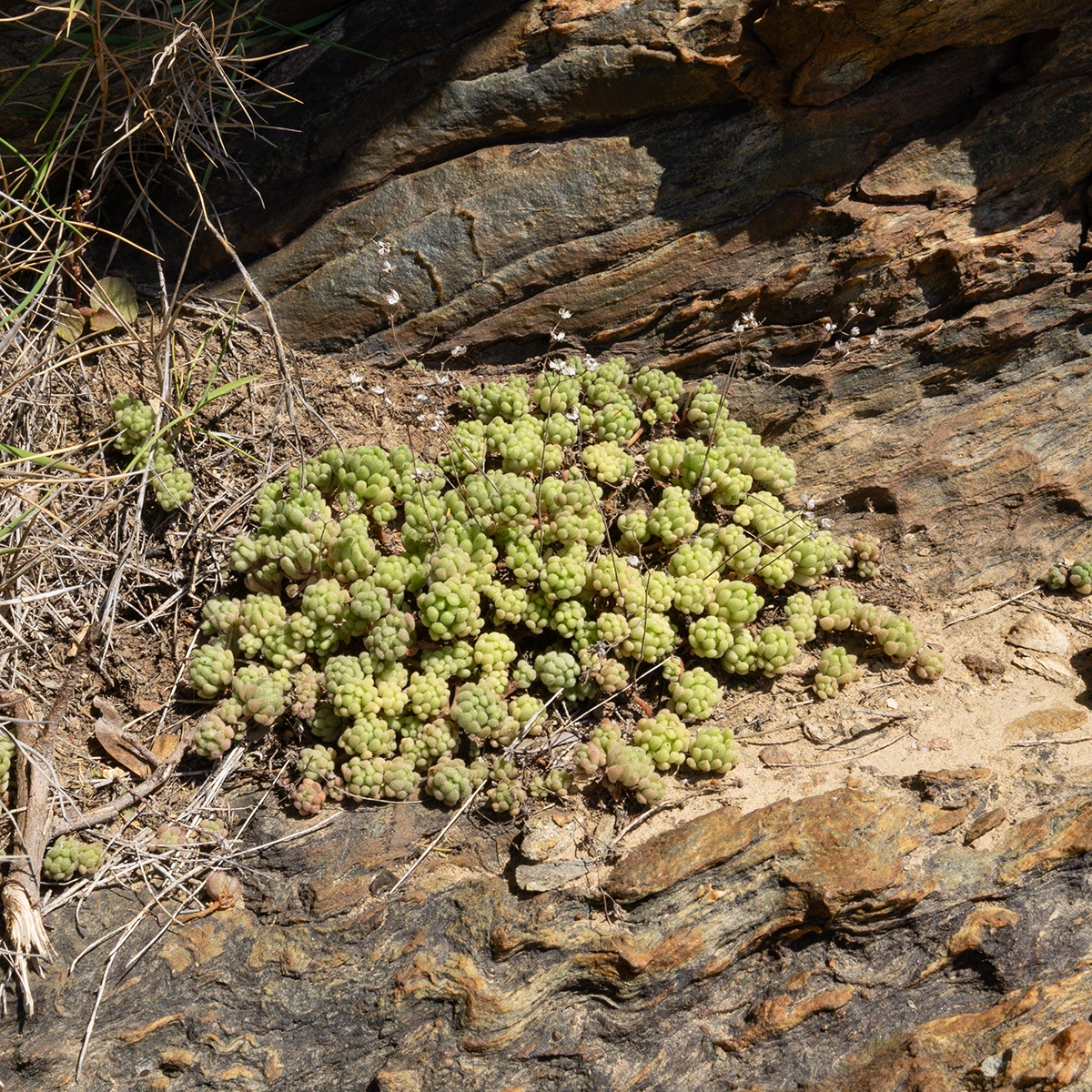
Spring is one of the best times to explore the peninsula, when annuals, geophytes, and many coastal species come into flower before the peak summer heat arrives. The rocky cliffs and slopes host a rich Mediterranean flora, including species of Armeria, Sedum, and various drought-adapted herbs growing directly from cracks in the rock. The contrast between the dry vegetation, sculpted geology, and intense blue sea makes Cap de Creus one of the most visually distinctive landscapes in Catalonia.
2 · Setcases · Eastern Pyrenees
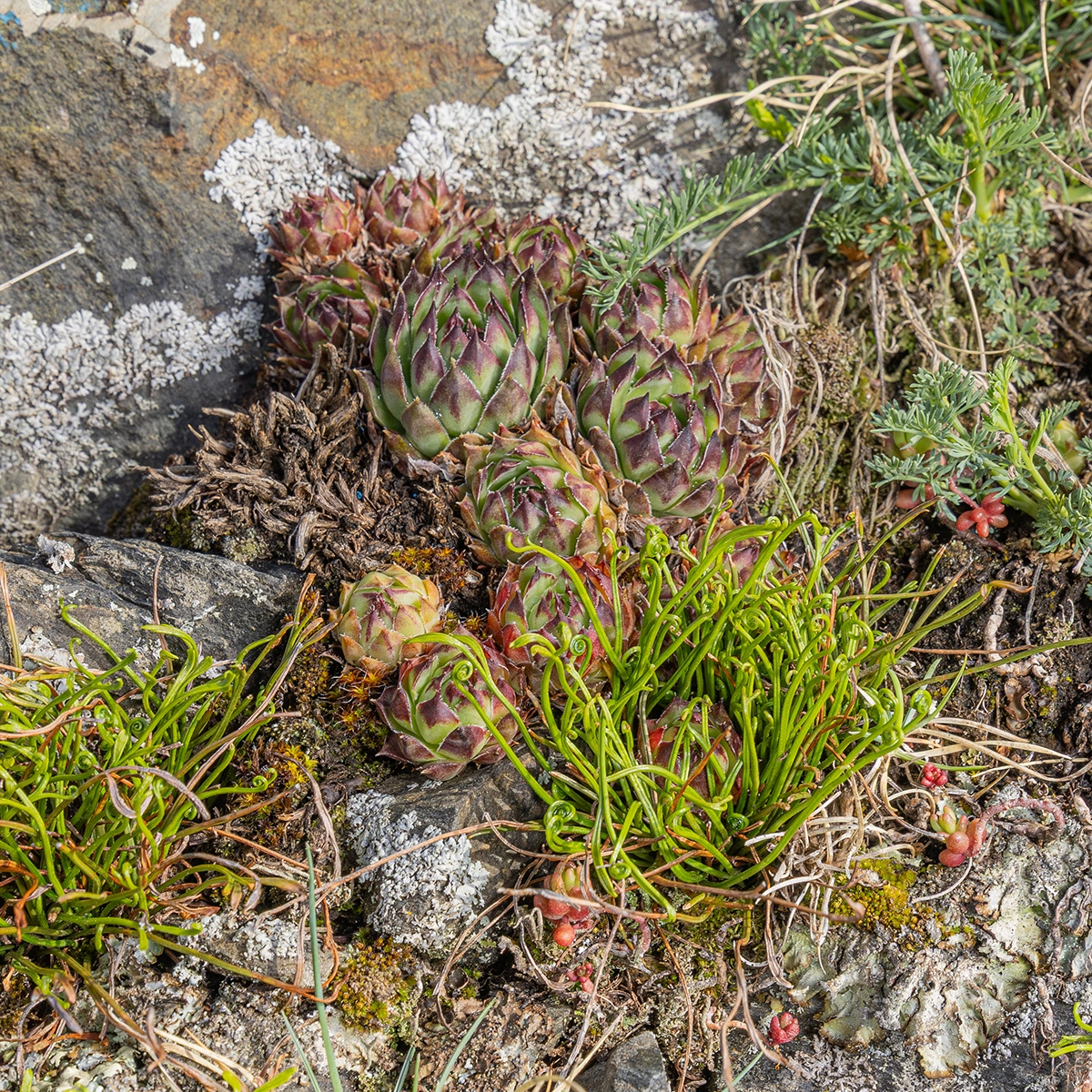
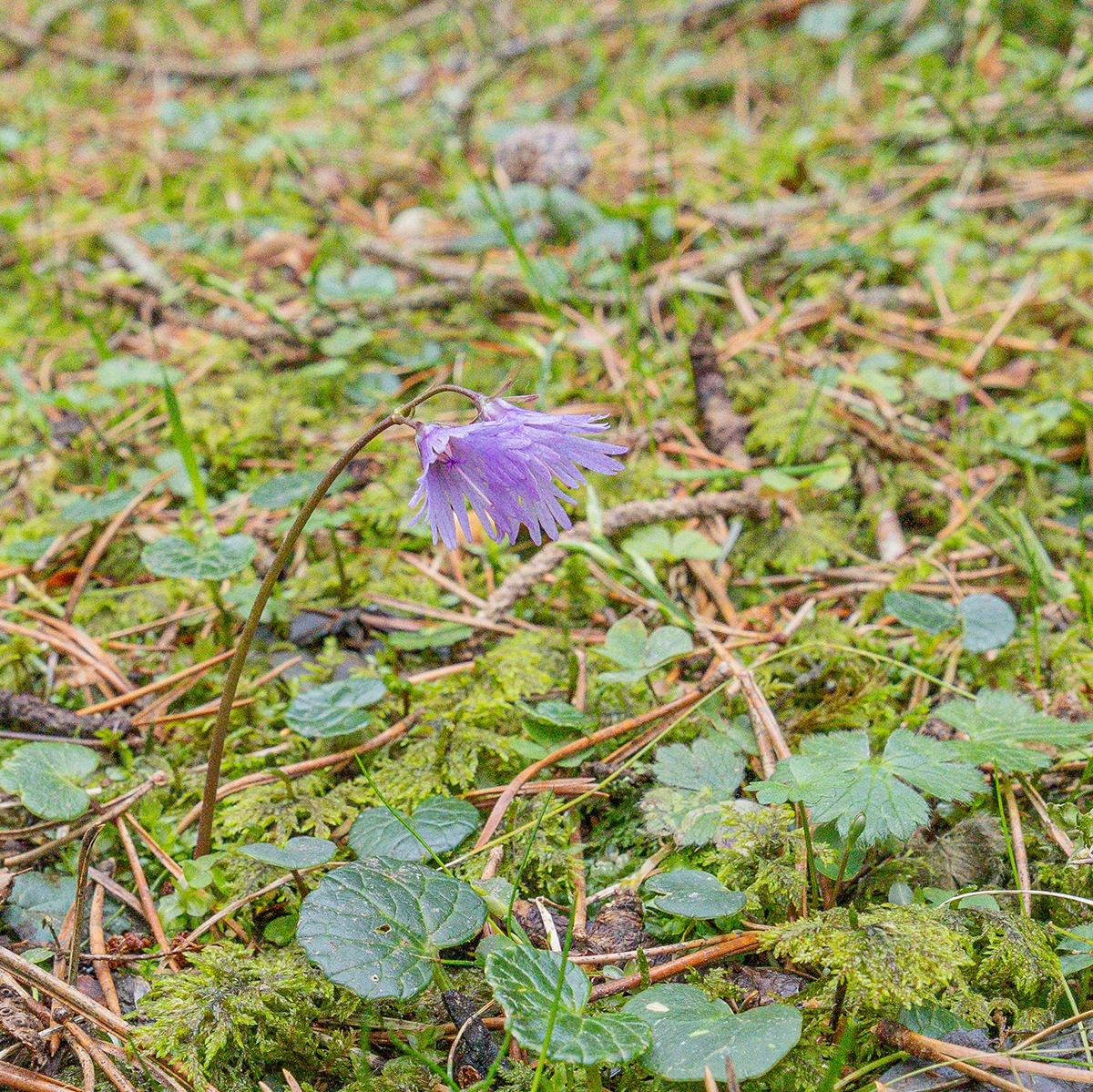
Setcases is a small mountain village in the eastern Pyrenees, close to the Ter River and the town of Camprodon. The surrounding landscape is dominated by subalpine forests, alpine meadows, rocky slopes, and fast-flowing mountain streams. Compared to the dry Mediterranean environments closer to the coast, the flora here feels entirely different: cooler, wetter, and strongly shaped by snow cover and elevation.
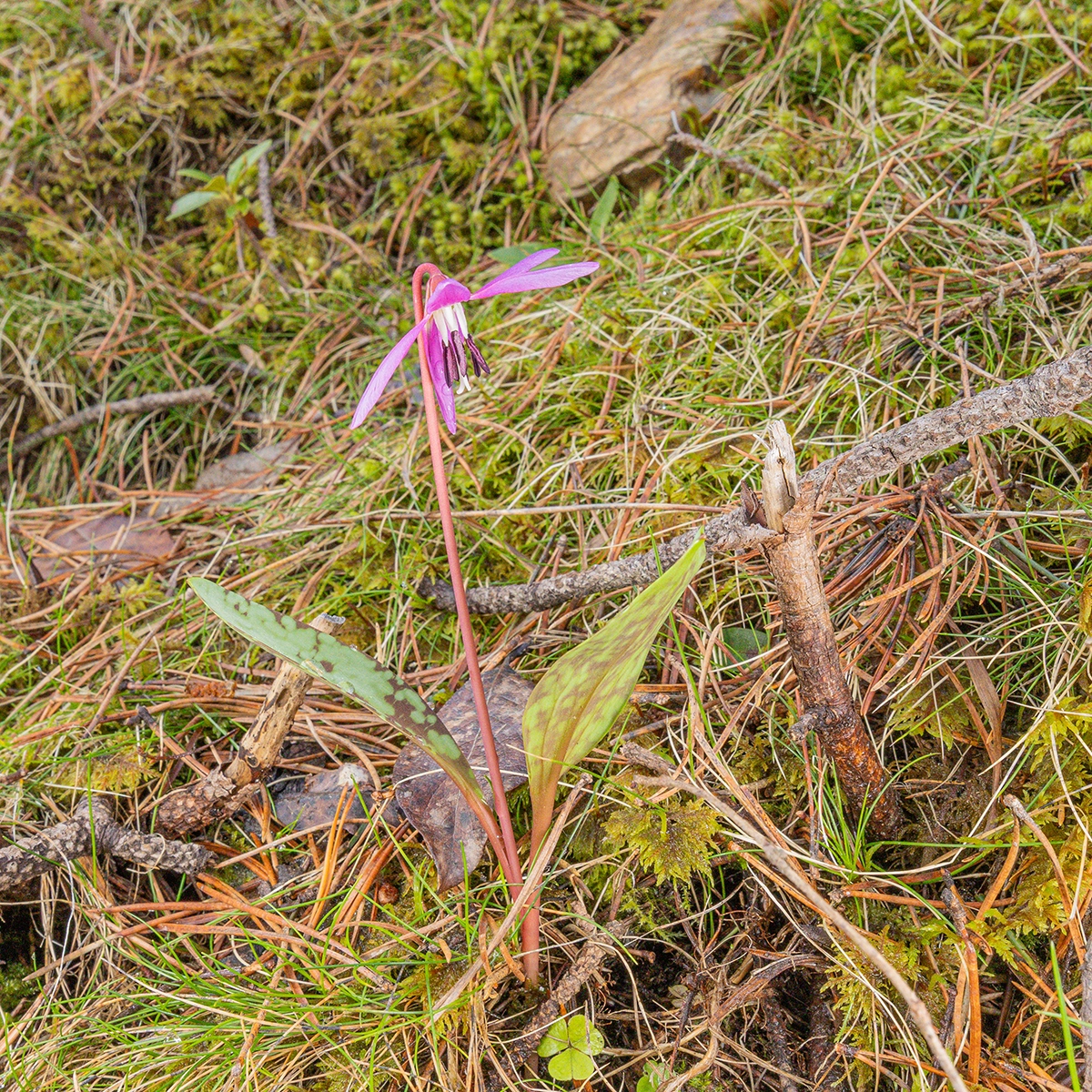
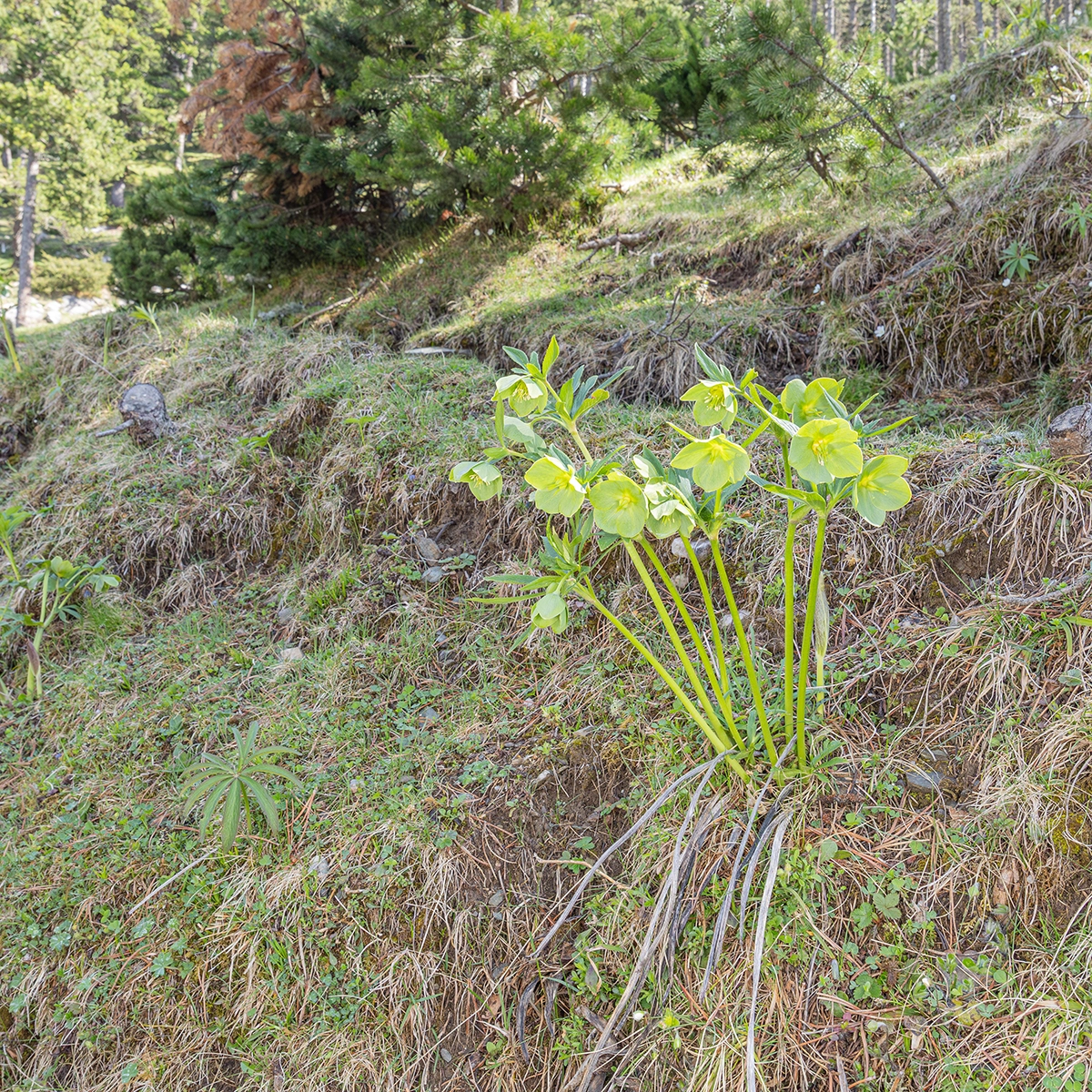
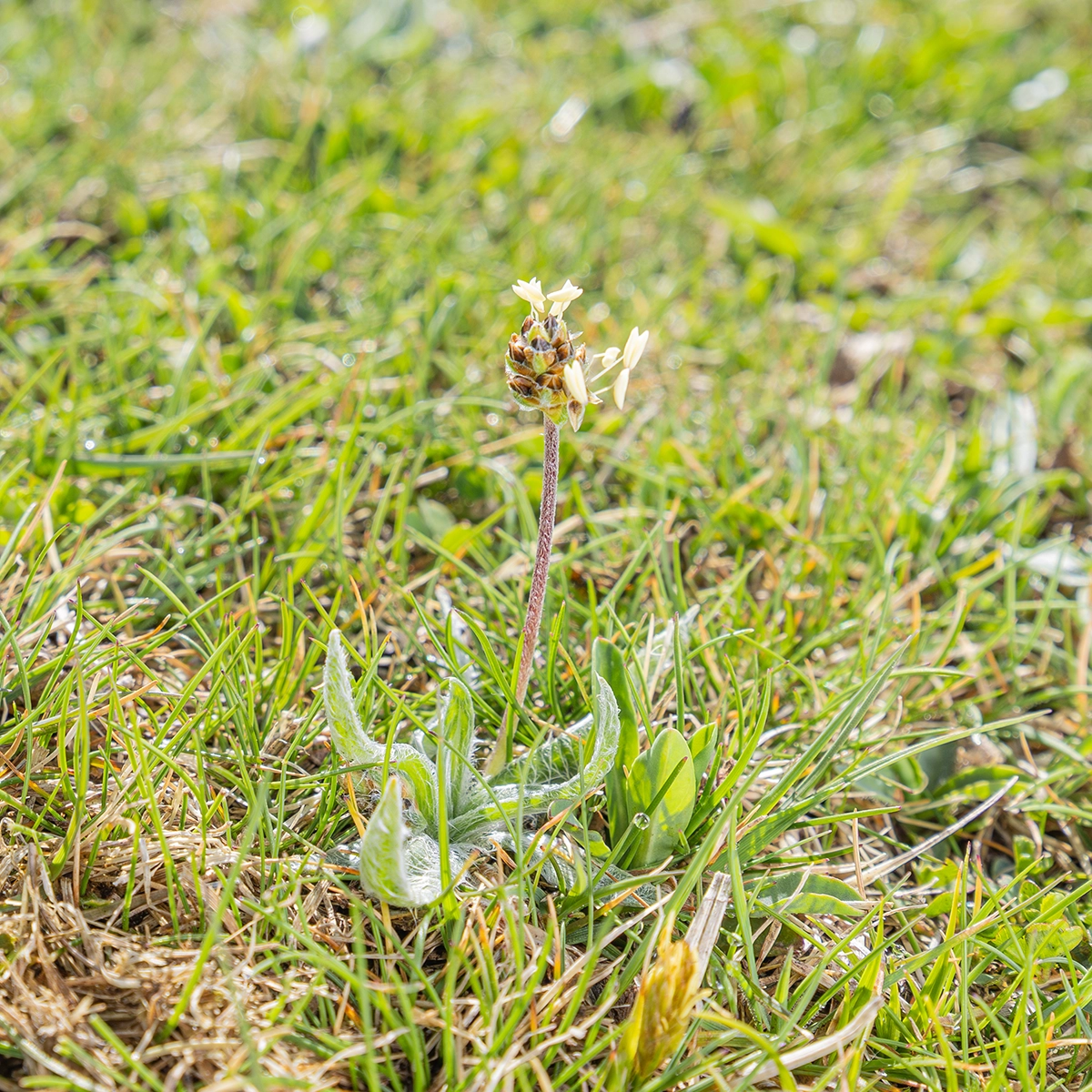
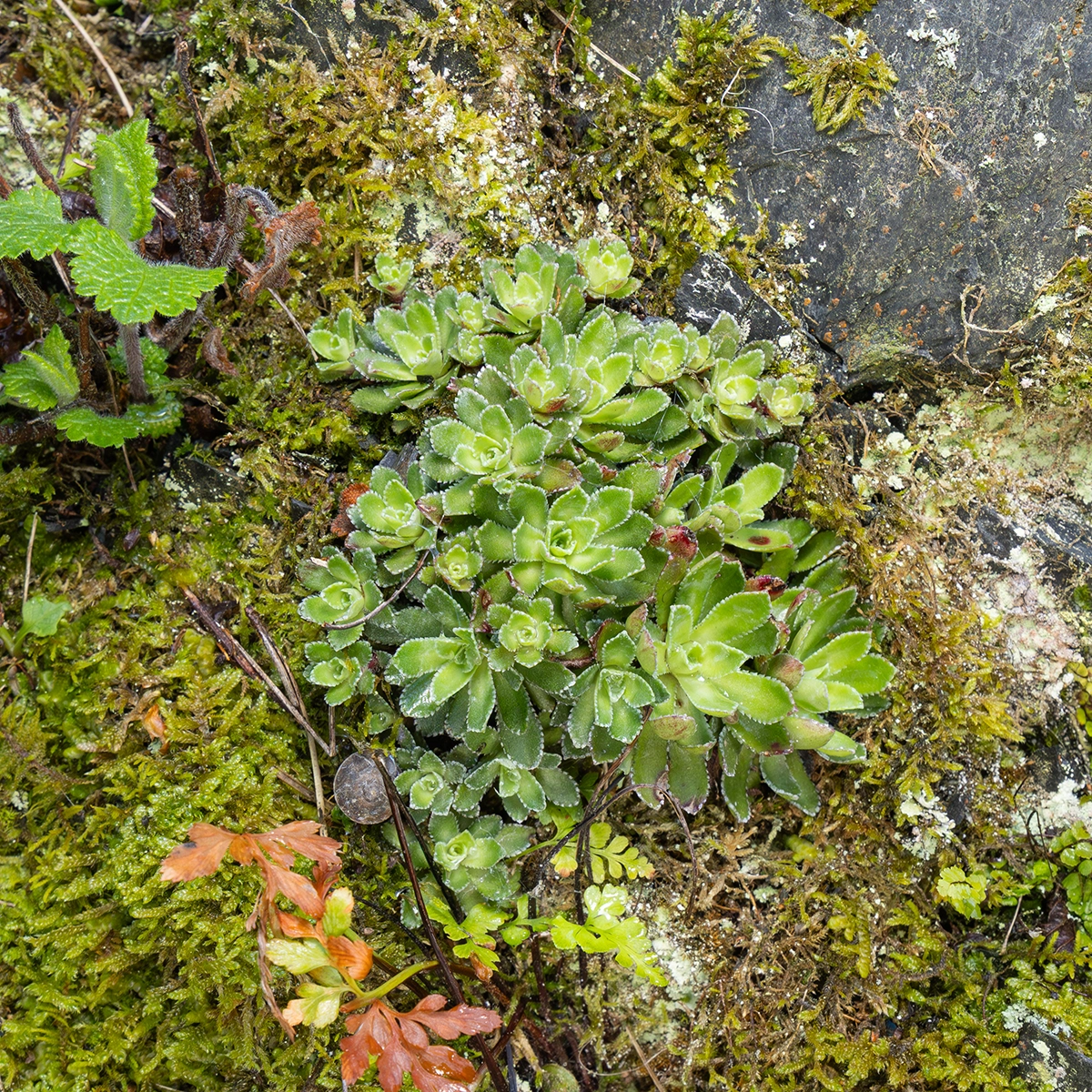
Late spring and early summer are particularly rewarding for botanising, as snowmelt feeds the valleys and many alpine species begin flowering shortly after the thaw. The area supports a rich Pyrenean flora, including saxifrages, gentians, snowbells, and various other montane species. Even short walks around Setcases reveal an impressive diversity of habitats and plants within a relatively small area.
3 · Berga · Serra de Picancel
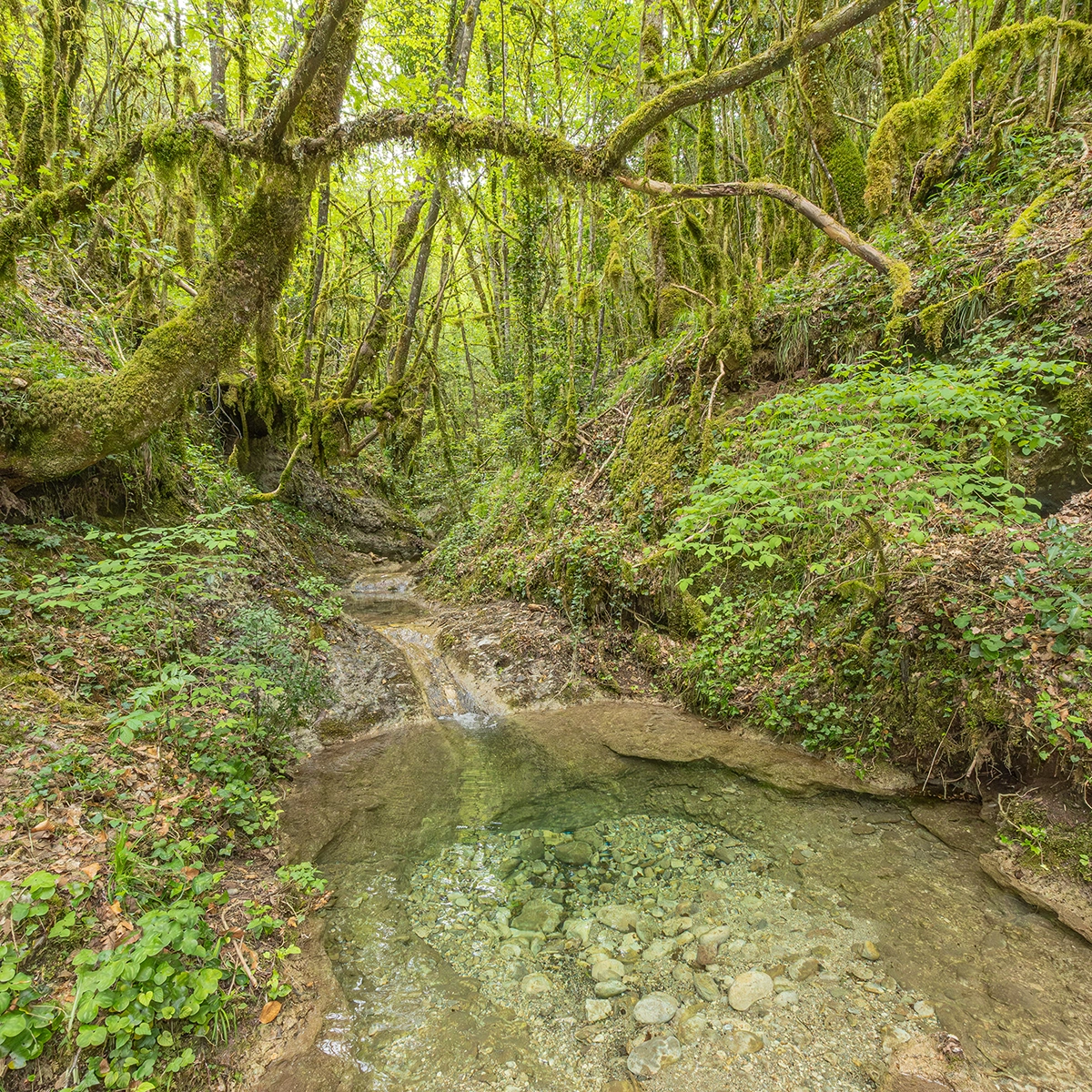
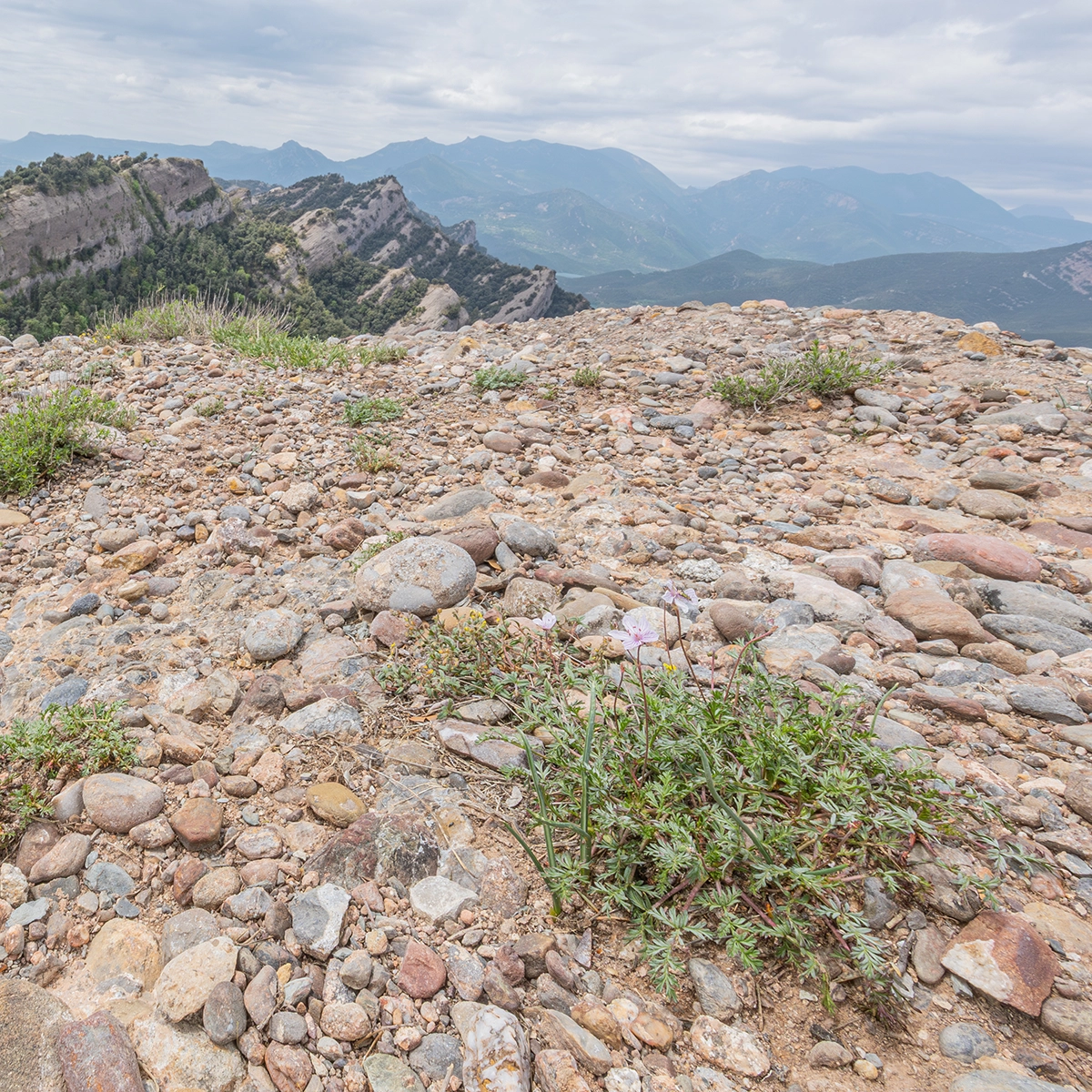
The Serra de Picancel is a limestone mountain range near Berga, in central Catalonia. The area forms a transition between Mediterranean and montane climates, supporting a remarkably varied flora across rocky cliffs, humid ravines, oak woodland, and shaded forest slopes. The rugged terrain and changes in exposure create many different microhabitats within a relatively small area.
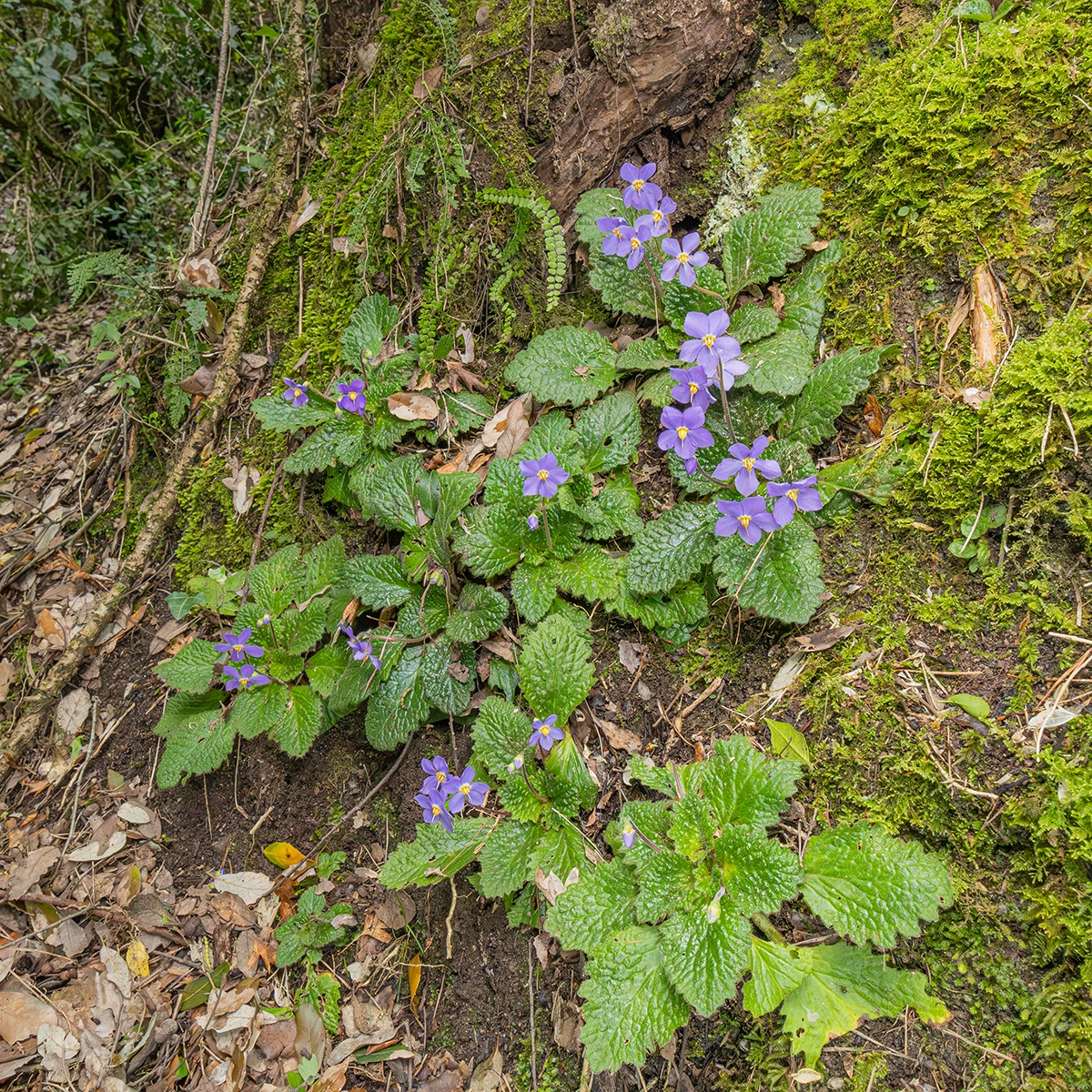
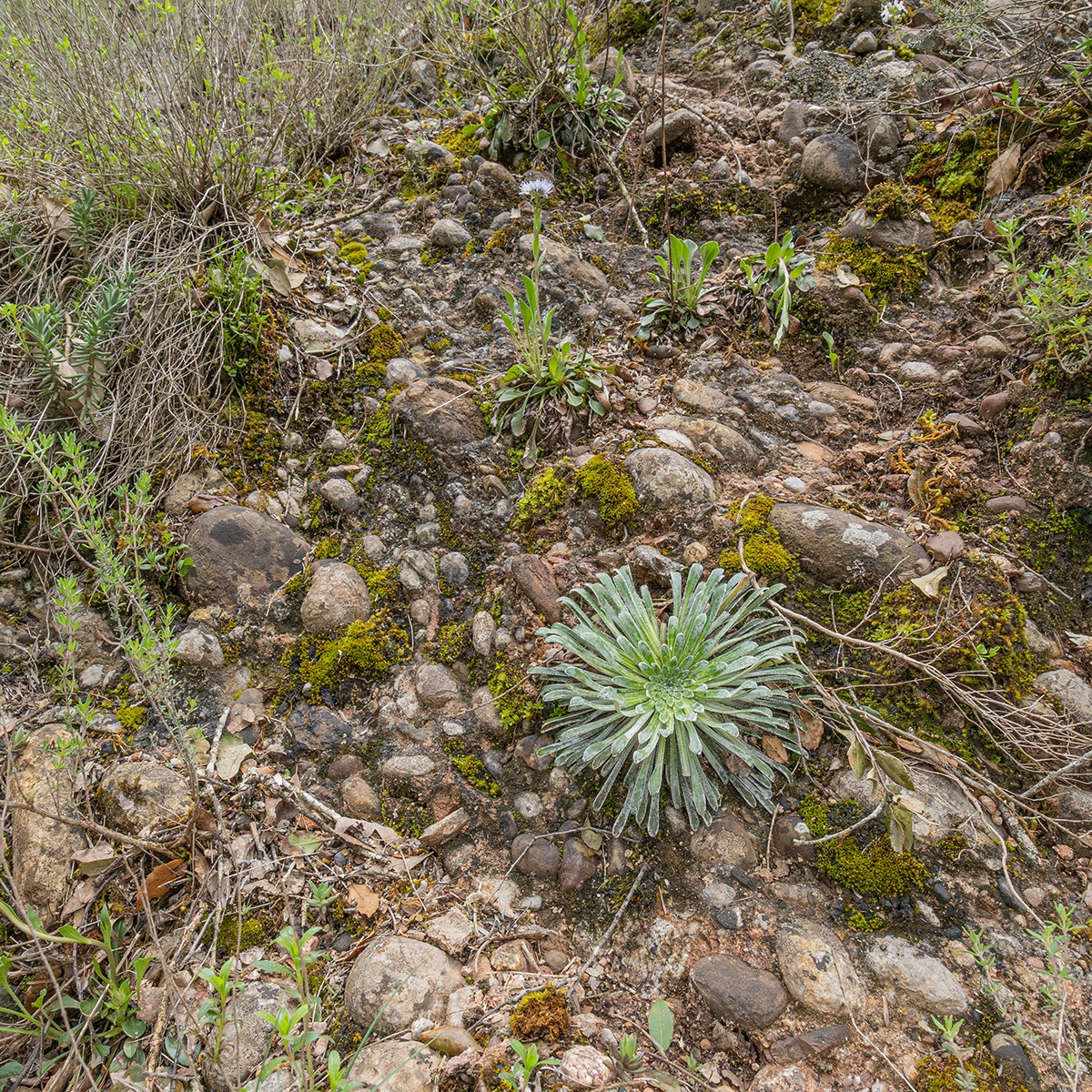
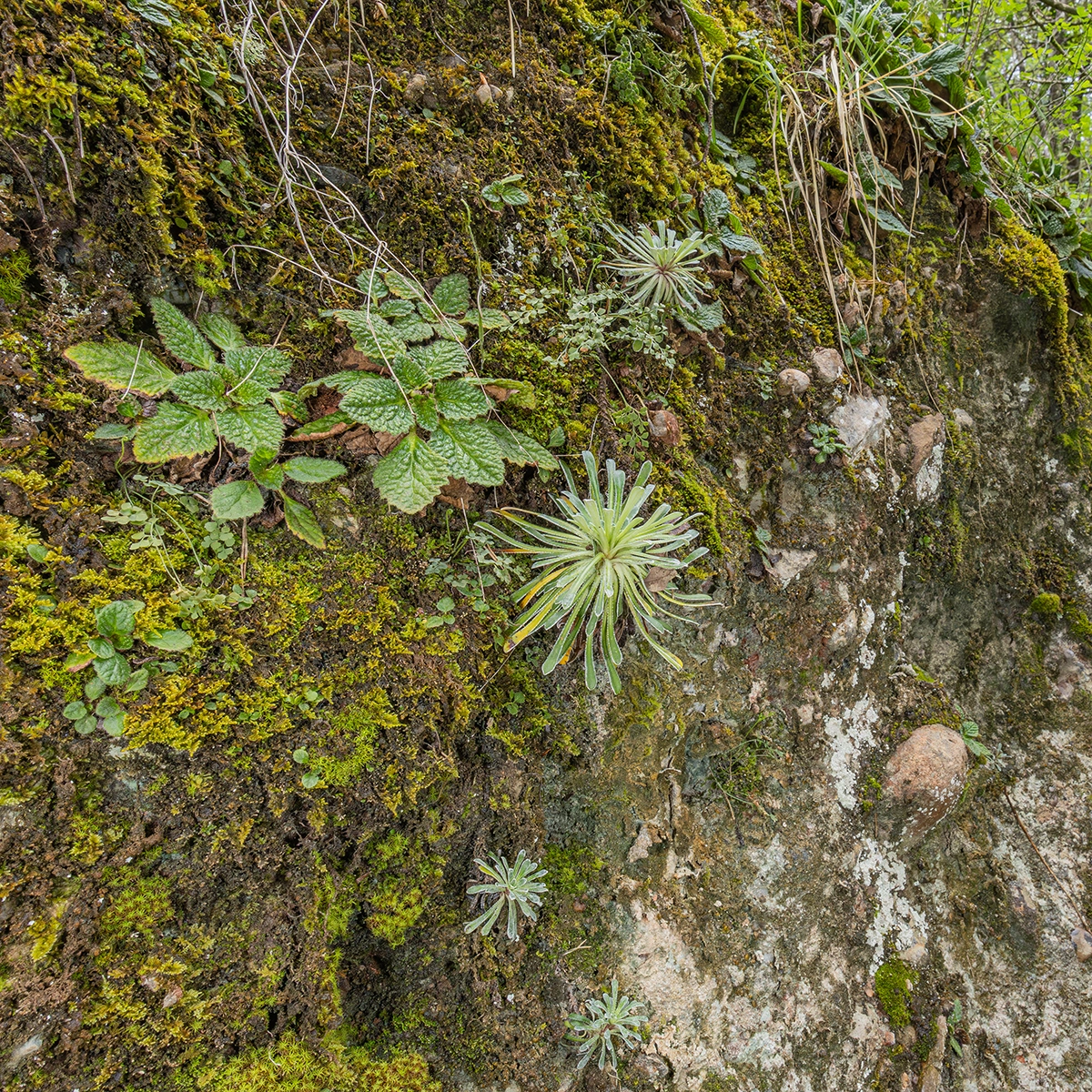
Some of the most interesting plants grow directly on moist limestone cliffs and shaded rock faces, where species such as Ramonda myconi and Saxifraga longifolia persist in cool refugial habitats protected from the summer heat. The surrounding forests are rich in ferns, woodland herbs, and rupicolous species adapted to calcareous substrates. Combined with the dramatic landscapes and quiet valleys of the region, Serra de Picancel is one of the most botanically rewarding areas in inland Catalonia. We also aimed at observing the point endemic Primula subpyrenaica, but we weren't lucky enough this time.